Yellowstone Fly Fishing Guide: A Comprehensive Overview
Yellowstone’s diverse rivers offer world-class trout fishing, but recent flooding and temperature concerns necessitate understanding current regulations and access points for a successful trip.
Understanding Yellowstone’s Fly Fishing Landscape
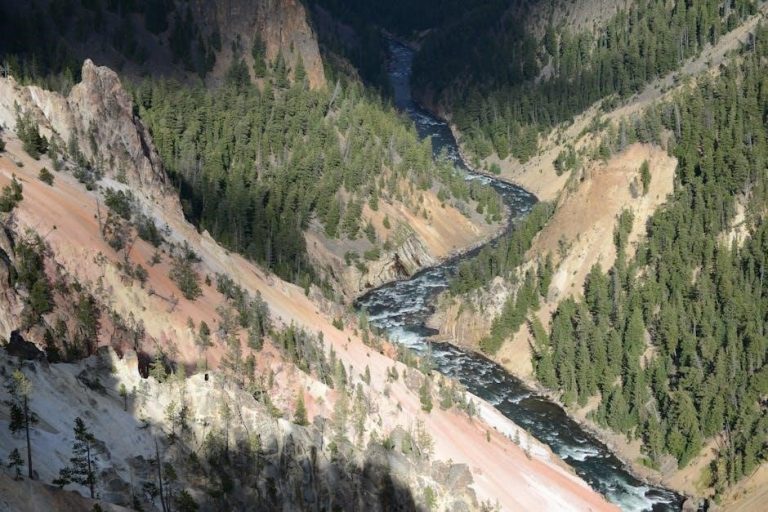
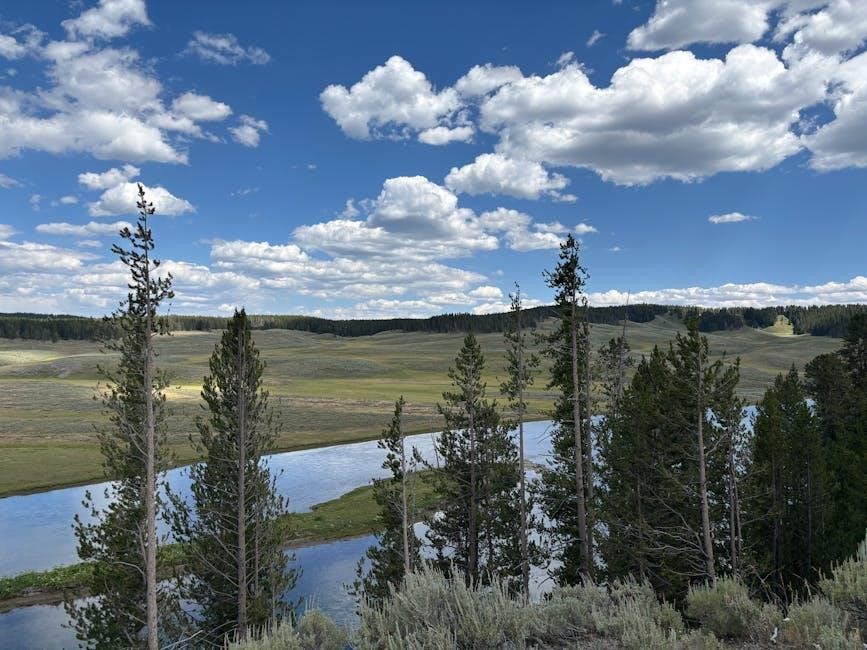
Yellowstone National Park presents a uniquely challenging yet rewarding fly fishing experience. The park’s ecosystem, encompassing thermal areas, high-altitude rivers, and vast wilderness, creates diverse habitats for several trout species, primarily Yellowstone cutthroat trout, rainbow trout, and brown trout.
The landscape dramatically influences fishing conditions; from the swift currents of the Lamar River to the thermal springs impacting the Firehole, anglers must adapt. Recent flooding events have reshaped riverbeds and access points, demanding awareness of changing conditions. Understanding these dynamic elements – water temperature, flow rates, and insect life cycles – is crucial for success. Fisheries management focuses on cutthroat trout recovery, impacting angling strategies and regulations.
The Unique Challenges of Yellowstone Fishing
Yellowstone’s fly fishing isn’t without its hurdles. Rapidly changing weather patterns can lead to fluctuating water levels and unpredictable insect hatches, demanding adaptability from anglers. High-altitude fishing requires acclimatization, and the park’s remote locations present logistical challenges regarding access and gear transport.
Furthermore, recent flooding significantly impacted fishing access sites and river structures, altering familiar holding areas for trout. Water temperature is a critical concern, often triggering “hoot owl” restrictions during summer months to protect fish from stress. Bear encounters are a real possibility, necessitating adherence to safety protocols. Successfully navigating these challenges requires preparation, awareness, and respect for the environment.
Current Fishing Regulations & Restrictions (as of 03/31/2026)
As of March 31, 2026, Yellowstone National Park requires a valid fishing permit for anyone 16 years or older. Regulations are subject to change, particularly concerning thermal refuges and water temperatures. Montana Fish, Wildlife & Parks is currently reviewing proposed regulation changes for the Yellowstone River, potentially impacting access next year.
Currently, select rivers experienced unrestricted fishing after previous closures, but monitoring continues. High water temperatures often trigger restrictions, like the June 19th, 2024 closure from 2 p.m. to sunrise. Anglers must stay informed about these dynamic rules, checking the park’s official website for the latest updates before each fishing trip to ensure compliance and responsible angling.
Impact of Recent Flooding on Fishing Access
The significant flooding in June of 2022 dramatically altered fishing access throughout Yellowstone National Park and surrounding areas. Numerous boat ramps and established fishing access sites sustained damage, limiting angler opportunities. Roads were also impacted, creating logistical challenges for reaching previously accessible stretches of river.
While recovery efforts are ongoing, some access points remain compromised as of March 31, 2026. Anglers should anticipate potential detours and reduced parking availability. It’s crucial to check current park conditions and road closures before planning a trip. The flooding underscored the river’s power and the importance of respecting its dynamic nature when pursuing Yellowstone’s renowned trout.
Water Temperature Restrictions & Hoot Owl Regulations
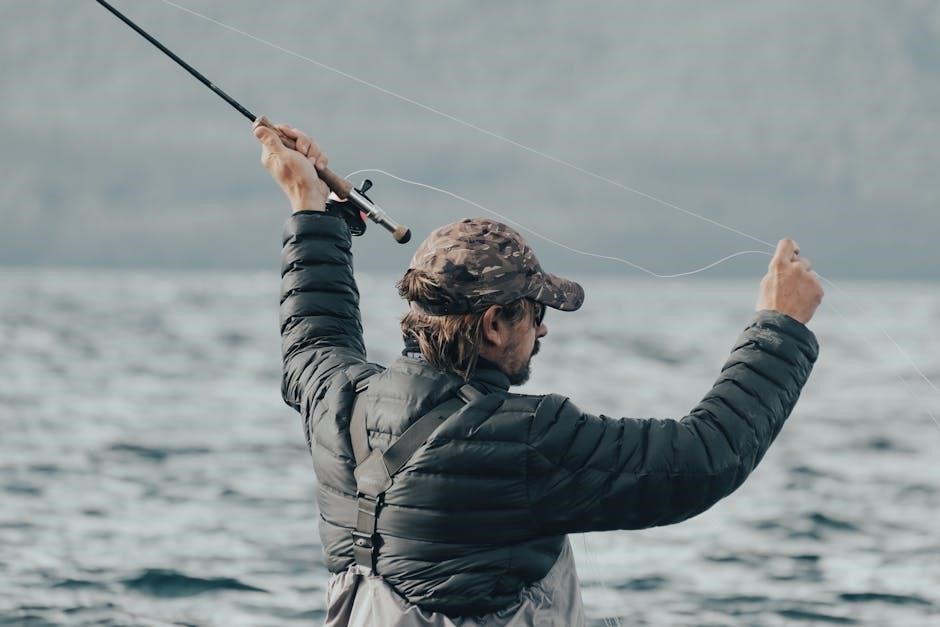
Rising water temperatures pose a significant threat to Yellowstone’s trout populations, particularly during the summer months. To protect fish from thermal stress, Yellowstone National Park implements restrictions on fishing times. These “Hoot Owl” regulations typically restrict fishing to sunrise to 2:00 PM when water temperatures exceed specified thresholds.
Effective June 19th, these restrictions were reinstated in select rivers. Anglers must stay informed about current conditions and adhere to these regulations, as exceeding temperature limits can be fatal to trout. Monitoring water temperatures is crucial, and park officials may adjust restrictions based on real-time data. Responsible angling practices are vital for preserving Yellowstone’s fisheries.
Prime Fly Fishing Locations in Yellowstone
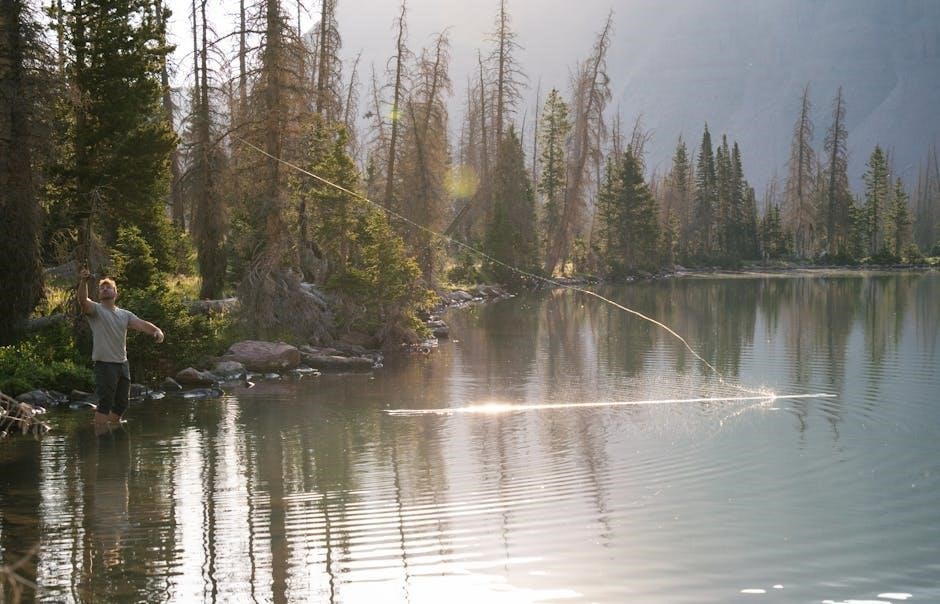
Yellowstone boasts renowned rivers like the Lamar, Yellowstone, Madison, Firehole, and Gibbon, each offering unique angling experiences and varying levels of accessibility for anglers.
The Lamar River: A Renowned Trout Stream
The Lamar River consistently ranks among Yellowstone’s premier fly fishing destinations, celebrated for its stunning scenery and healthy trout populations. However, recent reports indicate even experienced anglers can face challenges, sometimes getting “skunked” despite ideal conditions. This highlights the river’s unpredictable nature and the skill required to succeed.
Known for its cutthroat and rainbow trout, the Lamar demands careful fly selection and presentation; Anglers should be prepared to “match the hatch,” observing insect activity closely. Access points vary, and conditions can change rapidly, influenced by weather and seasonal runoff. It’s a river where patience and adaptability are key virtues, rewarding those who dedicate themselves to understanding its nuances. Fisheries management efforts focus on maintaining this exceptional resource;
Yellowstone River: Access and Fishing Opportunities
The Yellowstone River presents diverse fishing opportunities, though access has been significantly impacted by the June flooding of 2026. Damage to boat ramps and fishing access sites requires anglers to scout conditions carefully before planning a trip. Montana Fish, Wildlife & Parks is currently reviewing proposed regulation changes for this river, emphasizing the need to stay informed about current rules.
Despite the challenges, the Yellowstone remains a productive fishery. Anglers can target a variety of trout species, but must be mindful of water temperatures, particularly during summer months. Restrictions, including “hoot owl” regulations (fishing limited to cooler hours), are frequently implemented to protect fish from stress. Checking current park alerts and regulations is crucial for a responsible and enjoyable experience.
Madison River: Popularity and Techniques
The Madison River is renowned for its consistent trout fishing, attracting a large number of anglers. Its popularity means competition can be fierce, requiring strategic approaches. Effective techniques include dry fly fishing, particularly during insect hatches, and nymphing to target trout holding in deeper runs. Streamer fishing can also be productive, especially for larger trout.
Understanding the river’s currents and identifying likely trout holding areas – seams, pools, and undercut banks – is essential. Given the river’s fame, expect to encounter other fishermen. Practicing ethical angling, such as wading carefully and respecting other anglers’ space, is vital. Staying updated on any temporary closures or restrictions is also recommended for a successful outing.
Firehole River: Thermal Influences and Fishing
The Firehole River presents a unique fly fishing experience due to its geothermal activity. Warm water inflows create localized hotspots, influencing insect life and trout behavior. This results in potentially year-round fishing opportunities, even when other rivers are inaccessible due to cold temperatures. However, water temperatures can fluctuate rapidly, impacting trout activity.
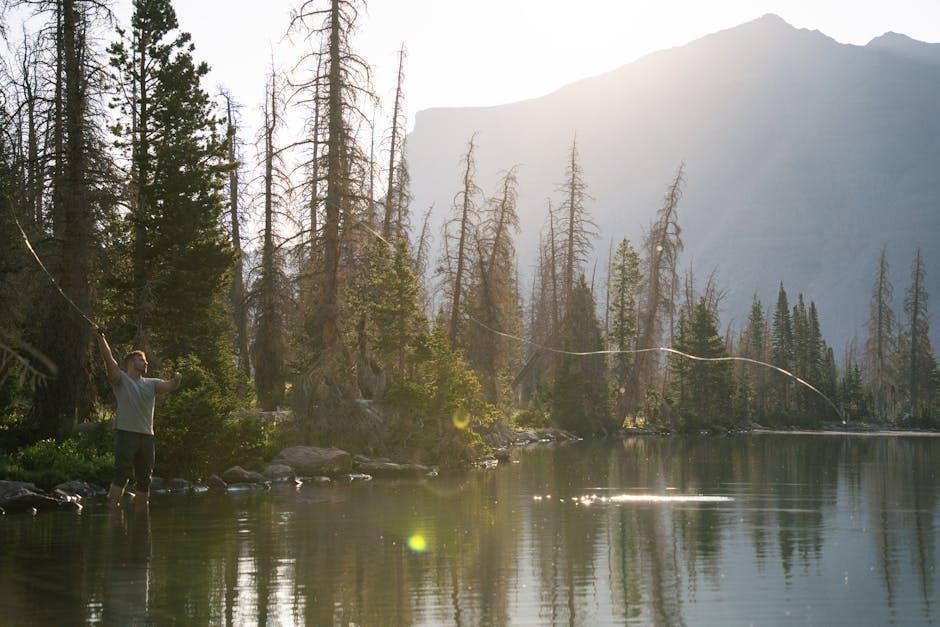
Fishing the Firehole requires careful monitoring of water temperature and understanding thermal refuges. Midges and other heat-tolerant insects often dominate hatches. Nymphing can be highly effective, targeting trout holding near thermal springs. Be mindful of sensitive thermal areas and avoid disturbing them. The river’s unique ecosystem demands responsible angling practices to preserve its delicate balance.
Gibbon River: A Less Crowded Option
The Gibbon River offers a more secluded fly fishing experience compared to Yellowstone’s more popular waterways. While smaller and potentially more challenging to navigate, it provides anglers with a chance to escape the crowds and connect with nature. Expect a variety of trout, though potentially smaller in size than those found in the larger rivers.
Access points are limited, requiring some hiking to reach prime fishing spots. Dry fly fishing can be productive during insect hatches, while nymphing proves effective in deeper runs. The Gibbon’s clear water demands stealthy approaches and careful presentation. It’s a fantastic option for anglers seeking solitude and a more intimate Yellowstone fishing adventure, rewarding patience and skill.
Essential Fly Fishing Techniques for Yellowstone
Mastering dry fly matching, nymphing subsurface, and streamer techniques are crucial for Yellowstone success, adapting to varying conditions and targeting diverse trout behaviors.
Dry Fly Fishing: Matching the Hatch
Dry fly fishing in Yellowstone demands meticulous observation and precise imitation. “Matching the hatch” – selecting flies that closely resemble the insects trout are currently feeding on – is paramount. Yellowstone’s prolific insect life includes various mayflies, caddisflies, and stoneflies, each requiring specific fly patterns.
Successful dry fly anglers carefully study the water, identifying rising fish and observing the insects drifting on the surface. Presentation is key; a drag-free drift, where the fly floats naturally with the current, is essential. Consider using fluorocarbon leaders to reduce visibility.
Popular dry fly patterns include Parachute Adams, Elk Hair Caddis, and various mayfly imitations. Be prepared to change flies frequently as hatches can shift rapidly. Remember, understanding insect life cycles and local knowledge significantly enhances your dry fly success in Yellowstone’s dynamic environment.
Nymph Fishing: Effective Subsurface Strategies
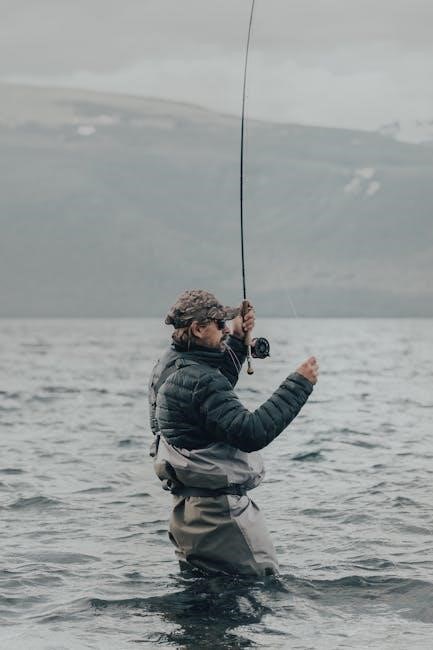
Nymph fishing often proves most productive in Yellowstone, particularly when trout aren’t actively rising. This technique involves presenting fly imitations of aquatic insect larvae and nymphs below the water’s surface. Effective nymphing requires understanding current seams and likely holding areas where nymphs drift.
Utilize an indicator to detect subtle strikes, or employ Euro nymphing techniques for direct contact with the fly. Weighted nymphs help get your fly down quickly in faster currents. Popular patterns include Pheasant Tail Nymphs, Hare’s Ear Nymphs, and Copper Johns.
Experiment with different nymph combinations and depths to locate what the trout are feeding on. A short leash of tippet between the fly and indicator minimizes drag and improves presentation. Remember to mend your line to maintain a natural drift and maximize your chances of success;
Streamer Fishing: Targeting Larger Trout
Streamer fishing in Yellowstone offers the chance to connect with larger, predatory trout. This technique involves casting and retrieving fly imitations of baitfish, leeches, or other aquatic creatures. It’s particularly effective in deeper runs, pools, and along undercut banks where larger trout ambush prey.
Employing a variety of retrieve techniques – slow strips, fast strips, and pauses – can trigger strikes. Popular streamer patterns include Woolly Buggers, Zonkers, and Muddler Minnows. Consider using sinking lines or adding weight to your leader to get the streamer down to the desired depth.
Be prepared for aggressive takes and powerful runs. Streamer fishing often requires heavier tippet and a strong leader to handle larger fish. Focus on areas where trout have cover and ambush points, and don’t be afraid to experiment with different colors and sizes.
Choosing the Right Fly Patterns
Selecting appropriate fly patterns is crucial for Yellowstone success, demanding adaptability. Matching the hatch – identifying the insects trout are currently feeding on – is paramount. Common hatches include Blue-Winged Olives, Parachute Adams, and various Caddis patterns. Carry a diverse selection of dry flies, nymphs, and streamers to cover different scenarios.
Nymphs, like Pheasant Tails and Hare’s Ears, excel when trout are feeding subsurface. Streamers, such as Woolly Buggers, are effective for larger trout. Pay attention to water conditions; during runoff, larger, more visible patterns often work best.
Local fly shops provide invaluable insight into current hatches and recommended patterns. Don’t hesitate to ask guides or fellow anglers for advice. Having a range of sizes and colors increases your chances of finding what the trout want.
Reading the Water: Identifying Trout Holding Areas
Successful Yellowstone fly fishing hinges on understanding trout behavior and habitat. Look for seams – where faster and slower currents meet – as trout hold in these areas to conserve energy while ambushing prey. Focus on structure: rocks, logs, and undercut banks provide cover and attract insects.
Pools offer deeper, cooler refuge, especially during warmer months. Riffles oxygenate the water and dislodge insects, drawing trout to feed. Pay attention to current breaks created by vegetation or obstructions. Trout often face into the current, waiting for food to drift by.
Observe the water’s surface for rising trout, indicating active feeding lanes. Careful observation and pattern recognition are key to locating productive spots.
Gear and Equipment Recommendations
Selecting appropriate gear is crucial for Yellowstone’s varied conditions; prioritize a versatile rod, reliable waders, and essential safety items like bear spray.
Rod and Reel Selection for Yellowstone
Choosing the right rod and reel is paramount for a rewarding Yellowstone fly fishing experience. A 9-foot, 5 or 6-weight fly rod offers versatility for various river sizes and trout species found within the park. This weight range balances casting accuracy with the ability to handle larger fish. Consider a fast-action rod for windy conditions often encountered in open valleys like Lamar or a moderate-action rod for tighter streams like the Gibbon;
Reel selection should prioritize a smooth drag system, capable of handling strong runs from Yellowstone’s rainbow, brown, and cutthroat trout. A disc-drag reel is preferable to a click-pawl system. Ensure the reel balances well with your chosen rod. Backing capacity of at least 100 yards of 20-pound test line is recommended, providing ample insurance against long runs. Durability is key, as Yellowstone’s environment can be demanding on equipment.
Fly Line and Leader Considerations
Selecting the appropriate fly line significantly impacts casting distance and presentation. A weight-forward floating line is the most versatile choice for Yellowstone, accommodating various fly patterns and techniques. Consider a line specifically designed for trout, offering improved sensitivity and casting ease. Line weight should match your rod’s specifications – typically a 5 or 6-weight line for a 5 or 6-weight rod.
Leader and tippet selection are crucial for subtle presentations. A 9-foot, 4X leader is a good starting point, tapering down to 5X or 6X tippet depending on the fly size and water clarity. Fluorocarbon tippet is recommended for its low visibility underwater. Carry a variety of tippet sizes to adapt to changing conditions and insect hatches. Regularly check your leader for abrasion and replace it as needed to maintain presentation quality.
Essential Fly Fishing Accessories
Beyond the rod and reel, several accessories enhance your Yellowstone fly fishing experience. A quality fly box to organize patterns is vital, alongside nippers for trimming tippet and forceps for removing hooks. Wading socks or neoprene guards improve wader comfort, while a floating strike indicator aids in nymph fishing.
Don’t overlook practical items like a waterproof backpack to protect gear, and polarized sunglasses to cut glare and spot fish. A river thermometer helps monitor water temperatures, crucial during hoot owl restrictions. Most importantly, carry bear spray and know how to use it – Yellowstone is bear country! A first-aid kit is also essential for minor injuries. These additions ensure a safe and productive day on the water.
Waders and Boots: Staying Comfortable
Yellowstone’s rivers can be cold, even in summer, making waders essential for comfortable fishing. Breathable waders are preferred for warmer months, preventing overheating, while insulated neoprene waders suit cooler conditions. Consider stockingfoot waders paired with wading boots for superior ankle support and traction on slippery rocks.
Felt soles were once common, but are now restricted in many areas due to invasive species concerns; rubber soles with metal studs offer excellent grip. Ensure a proper fit to avoid blisters. Don’t forget wading socks to enhance comfort inside your waders. Protecting your feet and maintaining warmth are key to enjoying long days fishing in Yellowstone’s varied terrain and water temperatures.
Safety Equipment: Bear Spray and First Aid
Yellowstone National Park is bear country, making bear spray a non-negotiable safety item. Carry it readily accessible, know how to use it, and understand bear behavior. Practice deploying an inert canister beforehand. Beyond bears, be prepared for remote wilderness conditions.
A comprehensive first-aid kit is crucial, including supplies for treating cuts, blisters, insect bites, and potential injuries from slips or falls. Include pain relievers, antiseptic wipes, bandages, and any personal medications. Inform someone of your fishing plans and expected return time. Cell service is unreliable, so don’t solely rely on electronic communication for emergencies.
Seasonal Fishing Considerations
Yellowstone’s fishing dramatically shifts with seasons; spring runoff, summer heat restrictions, fall spawning, and limited winter access all impact angling strategies and success.
Spring Fishing: Runoff and Insect Hatches
Spring in Yellowstone presents a unique challenge – the annual snowmelt runoff. Rivers swell, visibility decreases, and wading becomes treacherous. However, this period also triggers prolific insect hatches, particularly the Blue-winged Olives and Skwalas, offering excellent dry fly opportunities. Focus on fishing the edges of the runoff, where trout seek refuge.
Nymphing with stonefly and mayfly patterns can be highly effective during high water. Be prepared to adjust your tactics frequently as conditions change rapidly. Safety is paramount; always check river levels and be aware of swift currents. Despite the difficulties, spring fishing can be incredibly rewarding, with eager trout actively feeding after a long winter.
Remember to monitor for any park-imposed restrictions related to runoff and potential closures of certain areas.
Summer Fishing: Heat and Hoot Owl Restrictions
Summer brings warm temperatures to Yellowstone, creating ideal conditions for insect activity but also posing a threat to trout. As water temperatures rise, the park often implements “Hoot Owl” restrictions, limiting fishing to sunrise to 2:00 PM. These regulations protect fish from stress during the hottest part of the day.
Focus on early morning fishing, utilizing dry flies to capitalize on hatches like PMDs and Caddis. Streamer fishing can also be productive in shaded areas. Be mindful of water temperature; if it feels warm to the touch, consider switching to nymphing deeper pools.
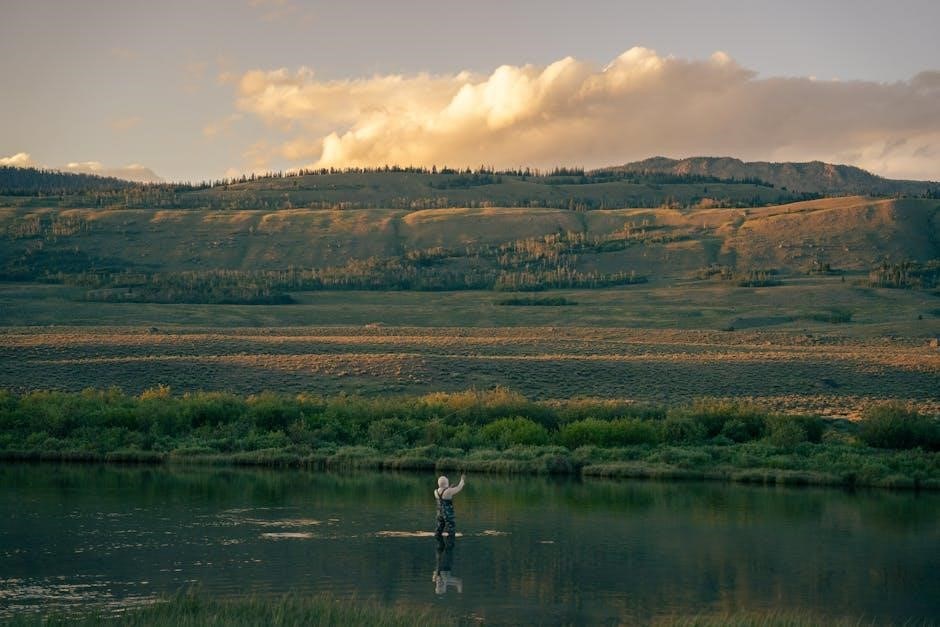
Always check the current park regulations before heading out, as restrictions can change daily based on conditions. Prioritize trout health and adhere to all guidelines.
Fall Fishing: Peak Colors and Trout Spawning
Autumn in Yellowstone presents stunning scenery alongside excellent fly fishing opportunities. As leaves change, trout prepare for spawning, becoming more aggressive feeders. This is a prime time for streamer fishing, targeting larger trout actively pursuing prey.
Focus on areas near spawning tributaries, but exercise extreme caution to avoid disturbing spawning beds. Nymphing with stonefly and midge patterns can also be highly effective. Be aware that some areas may have specific restrictions to protect spawning fish.
Fall offers cooler temperatures and fewer crowds, making it a rewarding time to fish. Remember to respect the trout’s natural cycle and practice responsible angling techniques.
Winter Fishing: Limited Access and Ice Conditions
Winter fly fishing in Yellowstone is challenging but rewarding for the dedicated angler. Access is significantly limited due to snow and road closures, requiring careful planning and potentially snowmobile or cross-country ski access. Ice formation on rivers and streams presents both opportunities and hazards.
Safety is paramount; always check ice thickness before venturing onto frozen waters. While some lower elevation sections may remain ice-free, nymphing with midge patterns is often the most productive technique.
Expect colder temperatures and shorter daylight hours. Be prepared for extreme weather conditions and pack accordingly. Winter fishing demands experience and a commitment to safety.
Conservation and Responsible Fishing
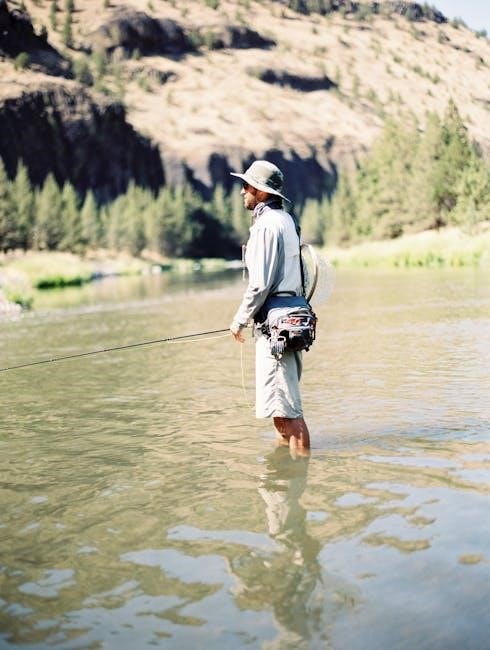
Protecting Yellowstone’s delicate ecosystem requires strict adherence to Leave No Trace principles, prioritizing catch and release, and reporting observations to fisheries management.
Leave No Trace Principles
Preserving the pristine beauty of Yellowstone National Park demands a commitment to Leave No Trace ethics. This means planning ahead and preparing for your fishing trip, minimizing campfire impacts – ideally using a stove – and properly disposing of waste, packing out everything you pack in.
Respecting wildlife is paramount; observe from a distance and never feed animals. Durable surfaces, like established trails and rock, should be used for travel and camping.
Leave what you find, avoiding disturbing plants, rocks, or historical artifacts. Be considerate of other visitors, minimizing noise and yielding to others on the trail or river. By embracing these principles, anglers contribute to the long-term health and enjoyment of Yellowstone’s remarkable environment, ensuring its splendor for generations to come;
Catch and Release Best Practices
Yellowstone’s trout populations benefit significantly from diligent catch and release practices. Minimize handling time, keeping the fish in the water as much as possible. Wet your hands before touching the fish to protect their protective slime coat.
Use barbless hooks or crimp the barbs on existing hooks to facilitate easy removal. Support the fish horizontally, avoiding pressure on its gills or internal organs.
Revive the fish gently by holding it in the current until it swims away strongly. Avoid touching the fish’s eyes, and never keep a fish out of the water for photos. Practicing these techniques ensures the survival and continued health of Yellowstone’s treasured trout, contributing to sustainable fisheries management.
Understanding Yellowstone’s Fisheries Management
Yellowstone National Park’s fisheries management focuses heavily on recovering native cutthroat trout populations, impacted by non-native species. Monitoring efforts track trout distribution, abundance, and growth rates to assess the health of the ecosystem.
Regulations, like those concerning fishing access and restrictions, are implemented based on scientific data and aimed at protecting vulnerable fish during critical periods, such as spawning.
Collaboration between the National Park Service and Montana Fish, Wildlife & Parks ensures coordinated management strategies. Reporting fishing activity and observations contributes valuable data, aiding in informed decision-making and the long-term preservation of Yellowstone’s unique fisheries.
Reporting Fishing Activity and Observations
Anglers play a crucial role in Yellowstone’s fisheries management by reporting their fishing activity and observations to park authorities. Detailed information regarding catch numbers, fish species, size, and location provides valuable data for monitoring trout populations and assessing the effectiveness of current regulations.
Reporting unusual fish behavior, suspected illegal activity, or any changes in river conditions is equally important. This citizen science approach supplements professional monitoring efforts, offering a broader perspective on the health of the ecosystem.
Submitting reports helps refine management strategies and ensures the long-term sustainability of Yellowstone’s renowned fly fishing opportunities.