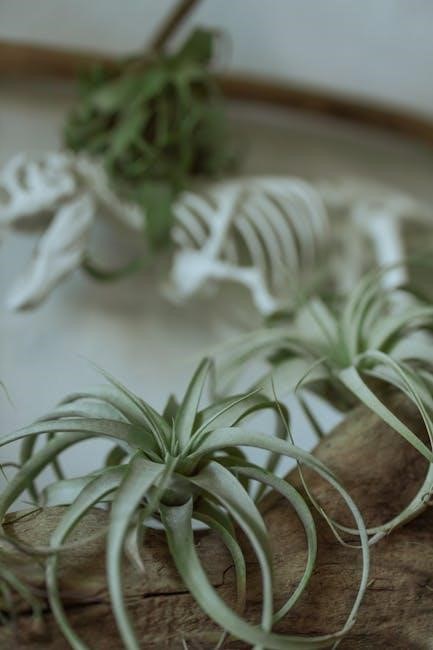
Air Plant Care Instructions: A Comprehensive Guide
Discover essential guides for thriving air plants! Downloadable PDF resources offer detailed propagation instructions, like air-layering, and comprehensive care tips for healthy growth.
Understanding Air Plants (Tillandsia)
Delving into the fascinating world of Tillandsia reveals unique botanical characteristics. These epiphytes, commonly known as air plants, don’t require soil for sustenance, absorbing moisture and nutrients through their leaves. Understanding this fundamental aspect is crucial for successful care.
Numerous downloadable PDF guides detail their natural habitats, often found clinging to trees in tropical and subtropical regions. These resources emphasize the importance of mimicking their native environment to ensure optimal health. Air plants thrive on air circulation and indirect light, differing significantly from traditional potted plants.
PDF care sheets often highlight the diverse range of species within the Tillandsia genus, each with slightly varying needs. Familiarizing yourself with your specific air plant variety, using available guides, will greatly improve your success. Proper understanding of their biology is the foundation for providing appropriate care, preventing common issues like rot or dehydration.
What are Air Plants?
Air plants (Tillandsia) are unique epiphytes, meaning they naturally grow without soil, deriving moisture and nutrients from the air, rain, and debris surrounding them. Downloadable PDF guides frequently explain this fascinating adaptation, highlighting their ability to thrive attached to other objects like trees or rocks.
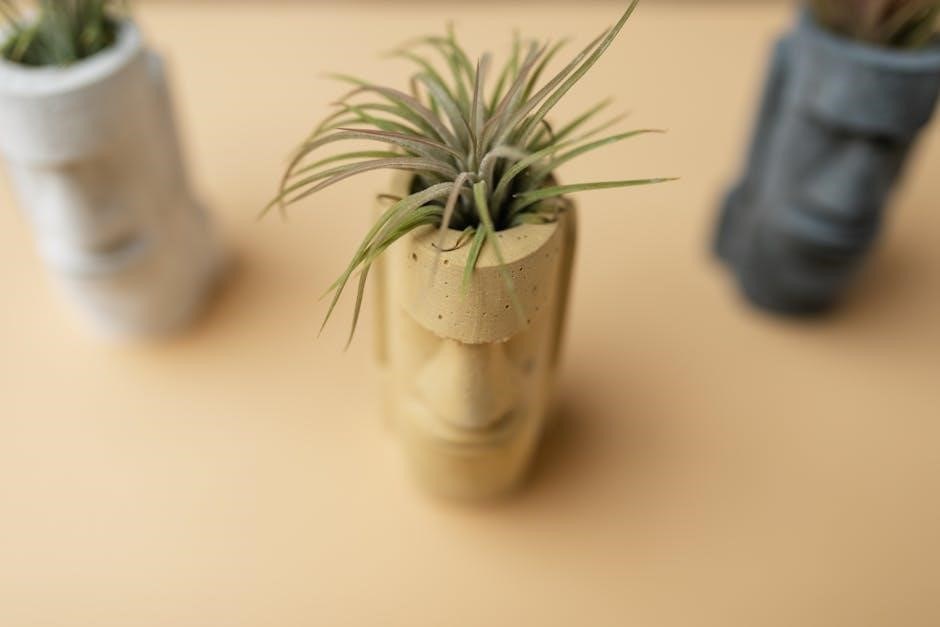
These aren’t parasites; they simply use their hosts for support. PDF resources detail how air plants absorb water through specialized scales called trichomes on their leaves. These trichomes give many varieties a silvery appearance. Understanding this absorption method is key to proper watering techniques.
Air plants originate from diverse regions across the Americas, from humid forests to arid deserts. PDF care sheets often categorize plants based on their native environment, influencing their light and water requirements. They represent a diverse genus, offering a wide array of shapes, sizes, and textures, making them popular houseplants.
Air Plant Varieties: A Quick Overview
The Tillandsia genus boasts over 650 species! PDF guides often categorize them by appearance and care needs. Tillandsia ionantha, a popular beginner choice, is small and rosette-shaped, frequently featured in introductory care sheets. Tillandsia xerographica, the “Queen of Air Plants,” is larger and more dramatic, requiring slightly different care as detailed in advanced PDFs.
Other common varieties include Tillandsia bulbosa, known for its bulbous base, and Tillandsia caput-medusae, resembling Medusa’s head. PDF resources highlight the varying trichome density; those with more trichomes (like T. xerographica) need more frequent watering.
Color variations are also significant. Some air plants blush pink or purple when stressed (often before flowering), a phenomenon explained in detailed PDF care instructions. Understanding these differences allows for tailored care, ensuring each plant thrives. Downloadable guides often include visual keys for identification.
Essential Air Plant Care Requirements
PDF guides emphasize three key needs: water, light, and air circulation. Proper provision of these elements, detailed in downloadable resources, ensures vibrant, healthy air plants.
Watering Your Air Plants
Understanding hydration is crucial for air plant health. Downloadable PDF guides detail two primary watering methods: soaking and misting. Soaking involves fully submerging plants in water for 15-30 minutes, typically once every 1-2 weeks, allowing them to rehydrate.
Misting, while convenient, is often insufficient as a sole watering method, especially in drier climates. PDF resources recommend misting 2-3 times per week in addition to regular soaking.
Crucially, thorough drying is paramount. Excess moisture leads to rot. Guides emphasize gently shaking off excess water after soaking and ensuring adequate air circulation. Water quality matters; rainwater, or dechlorinated tap water, is preferred.
PDFs often include visual aids demonstrating proper watering techniques and highlight the importance of observing your plants for signs of dehydration (curling, wrinkled leaves) or overwatering (soft, mushy leaves). Adjust frequency based on environment and plant type.
Light Requirements for Healthy Growth
Optimal light is vital for vibrant air plants. Downloadable PDF care guides emphasize bright, indirect light as the ideal condition. Direct sunlight can scorch the leaves, causing irreversible damage, while insufficient light leads to etiolation – a pale, stretched appearance.
PDF resources detail how different varieties have varying light needs. Generally, plants with silver trichomes (fuzzy coatings) tolerate more direct light than those with greener leaves.
Artificial light can supplement natural light, particularly during winter months or in low-light environments. Guides suggest using fluorescent or LED grow lights for 12-14 hours daily.
Observing your plant’s color is key. A healthy plant exhibits vibrant coloration. PDFs often include charts illustrating optimal light levels and signs of light stress, such as sunburn or fading. Rotate plants regularly to ensure even light exposure and promote balanced growth.

Air Circulation: Preventing Rot
Excellent air circulation is paramount for air plant health, as it prevents water from pooling and causing rot. Downloadable PDF guides consistently highlight this crucial aspect of care. Stagnant moisture creates a breeding ground for fungal and bacterial infections, quickly damaging the plant.
PDF resources recommend avoiding enclosed spaces or terrariums without adequate ventilation. After watering – whether soaking or misting – ensure the plant dries completely within four hours.
Gentle airflow from a fan can significantly aid drying, especially in humid environments. Positioning plants near open windows (avoiding drafts) also promotes circulation.
Guides often illustrate how to identify early signs of rot – typically a discoloration at the base of the plant. Prompt removal of affected leaves and improved air circulation are vital for recovery. Proper spacing between plants is also recommended to maximize airflow, as detailed in comprehensive PDF care sheets.

Air Plant Care Methods: Detailed Instructions
PDF guides detail soaking versus misting techniques, optimal fertilizing schedules, and creative mounting options for displaying your tillandsias effectively and beautifully.
Soaking vs. Misting: Which is Best?
Determining the ideal hydration method—soaking or misting—is crucial for air plant health. Detailed PDF care guides often emphasize that soaking, typically for 20-30 minutes every 1-2 weeks, allows thorough water absorption; This is particularly beneficial for dehydrated plants.
However, frequent misting, 2-3 times weekly, can supplement soaking and maintain humidity, especially in drier environments. The guides highlight that misting alone isn’t usually sufficient for complete hydration.
Consider the plant’s environment and variety. Thicker-leaved varieties benefit more from longer soaks, while those with delicate leaves may prefer more frequent, gentle misting.
Crucially, always ensure plants are completely dry within four hours post-hydration to prevent rot, a common issue addressed in downloadable care sheets. Proper drying, coupled with adequate air circulation, is paramount for success.
Fertilizing Air Plants: What and How Often
While air plants don’t require frequent fertilization, a diluted bromeliad fertilizer can boost growth and vibrancy. Downloadable PDF guides recommend using a balanced liquid fertilizer, specifically formulated for bromeliads, at just ¼ to ½ strength.
Fertilize sparingly – typically once a month during the growing season (spring/summer) is sufficient. Over-fertilizing can lead to leaf burn and damage. The guides often caution against using fertilizers containing copper, as air plants are sensitive to it.
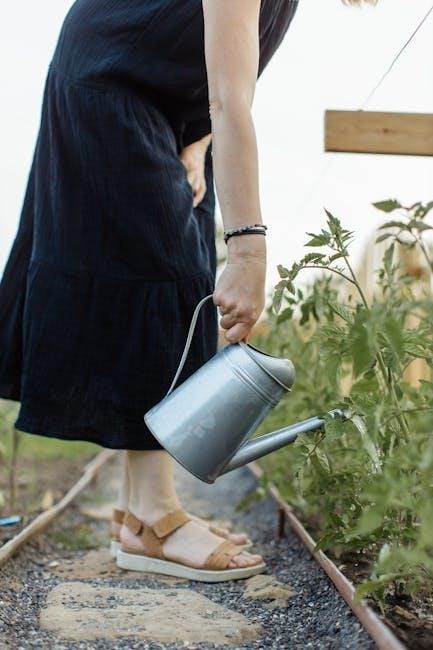
Add fertilizer to the soaking water during your regular hydration routine. This ensures even distribution and absorption. Alternatively, a very light misting with diluted fertilizer can be applied.
Observe your plant for any adverse reactions. If you notice browning or discoloration, reduce the frequency or concentration of fertilizer. Consistent, minimal fertilization supports healthy development.
Mounting and Displaying Air Plants
Air plants offer incredible versatility in display! Downloadable PDF guides showcase creative mounting options – from driftwood and shells to wire sculptures and glass globes. Ensure adequate air circulation around the plant, regardless of the chosen method.
Avoid using copper or treated wood, as these can be toxic to air plants. Hot glue is generally safe for adhering plants to surfaces, but ensure it doesn’t cover the base, hindering absorption. Wire can be used for hanging, but avoid constricting the plant’s leaves.
Consider the plant’s light requirements when selecting a display location. Brighter species need more exposure, while others prefer indirect light. Regularly rotate the plant to ensure even growth.
Remember, air plants need airflow! Don’t enclose them in completely sealed containers. Creative displays enhance their beauty, but proper care remains paramount for thriving plants.
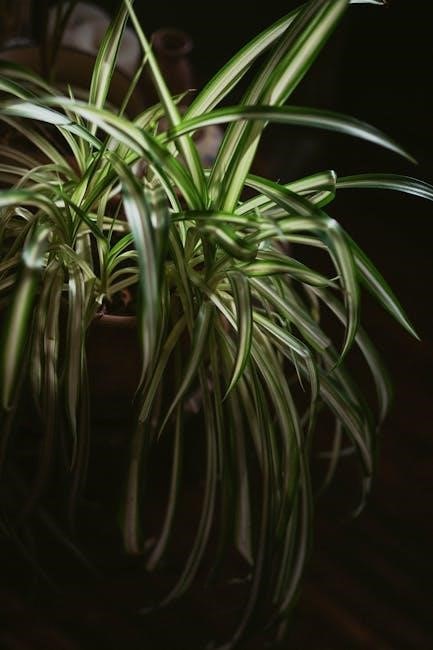
Troubleshooting Common Air Plant Problems
PDF guides detail solutions! Identify and address issues like root rot, brown tips, or dehydration with expert advice for reviving your air plants quickly.
Identifying and Treating Root Rot
Recognizing the Signs: Root rot in air plants, detailed in comprehensive care PDFs, often begins with a softening at the base of the leaves. This progresses to a dark, mushy discoloration, indicating decay. Early detection is crucial for successful treatment, as advanced rot can quickly become fatal.
Treatment Protocol: If root rot is suspected, immediately remove the affected plant from any water source. Gently rinse away any decaying matter, ensuring no blackened leaves remain attached. Allow the plant to dry completely in a well-ventilated area – this is paramount.
Post-Treatment Care: Once dry, resume a regular misting or soaking schedule, but be mindful of overwatering. PDF guides emphasize the importance of increased air circulation to prevent recurrence. Consider using a fungicide specifically formulated for air plants as a preventative measure, following package instructions carefully. Consistent monitoring is key to ensuring full recovery and preventing future outbreaks.
Addressing Brown Leaf Tips
Understanding the Cause: Brown leaf tips on air plants, often detailed in downloadable care PDFs, are frequently a sign of insufficient humidity or water quality issues. While a small amount of tip burn is normal, excessive browning indicates a problem needing attention. Hard water, containing high mineral content, is a common culprit, leaving unsightly deposits.
Corrective Measures: Switch to using rainwater, distilled water, or filtered water for watering. Increase humidity around the plant by misting more frequently or placing it near a humidifier. PDF guides suggest avoiding tap water altogether to prevent mineral buildup.
Preventative Strategies: Ensure adequate air circulation to promote evaporation and prevent stagnant moisture. Regularly inspect plants for signs of stress. Gently remove browned tips with clean scissors, being careful not to damage healthy tissue. Consistent care, as outlined in detailed PDFs, minimizes the occurrence of brown leaf tips.
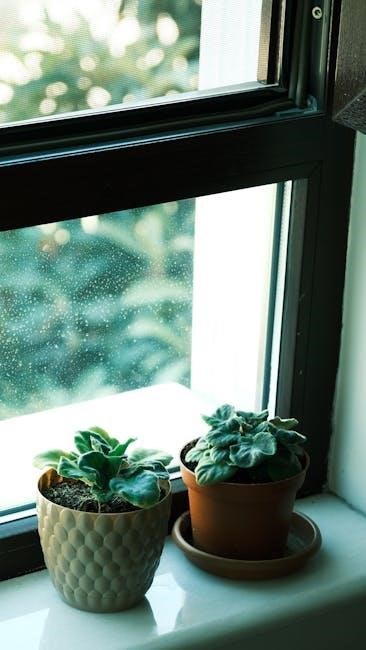
Reviving a Dehydrated Air Plant
Recognizing Dehydration: A dehydrated air plant, often illustrated in comprehensive care PDFs, will appear limp, wrinkled, and lose its vibrant color. Leaves may become excessively flexible and easily breakable. Early detection is crucial for successful revival, as prolonged dehydration can cause irreversible damage.
Emergency Hydration: Immediately submerge the plant in room-temperature water for 12-24 hours. Detailed PDFs emphasize gentle handling during this process. Avoid forceful rinsing, which can harm delicate trichomes. Ensure the entire plant is fully submerged.
Post-Soak Care: After soaking, gently shake off excess water and allow the plant to dry completely upside down to prevent rot. Increase misting frequency for the following week. PDF guides recommend providing bright, indirect light during recovery. Consistent monitoring and adherence to PDF instructions will restore vitality.
Resources and Further Information
Expand your knowledge! Access downloadable air plant care PDFs for detailed propagation guides, and discover reputable suppliers for a thriving collection.
Downloadable Air Plant Care PDF Guides
Unlock a wealth of knowledge with readily available PDF guides dedicated to air plant care! These comprehensive resources offer a deeper dive into the nuances of Tillandsia cultivation, going beyond basic instructions. Many guides detail propagation techniques, including the fascinating method of air-layering – a form of asexual propagation allowing you to create new plants from existing ones.
You’ll find detailed information on identifying and addressing common issues, ensuring your air plants remain vibrant and healthy. These PDFs often include visual aids, making it easier to understand complex concepts. They cover everything from proper watering techniques (soaking versus misting) to optimal light and air circulation requirements, crucial for preventing root rot and promoting robust growth.
Furthermore, some guides offer insights into mounting and displaying your air plants creatively, enhancing your home décor. Look for resources that cater to specific varieties, as care needs can vary. Utilizing these downloadable guides empowers you to become a confident and successful air plant parent, fostering a thriving indoor garden.
Recommended Air Plant Suppliers
Sourcing healthy air plants is the first step to success! While downloadable PDF guides provide essential care knowledge, obtaining quality plants from reputable suppliers is equally vital. Numerous online retailers specialize in Tillandsia, offering a diverse selection of varieties and sizes.
Look for suppliers who prioritize plant health and provide detailed descriptions, including origin and specific care recommendations. Consider those offering bundled packages or starter kits, often including helpful accessories like mounting materials or specialized fertilizers. Reading customer reviews can provide valuable insights into supplier reliability and plant quality.
Beyond online options, local nurseries and botanical gardens may also carry air plants. Supporting local businesses fosters community and allows for in-person inspection before purchase. Remember to compare prices and shipping costs when making your selection. A trustworthy supplier ensures you begin your air plant journey with a strong foundation for thriving, beautiful plants, complementing your PDF-acquired knowledge.