
Overview of Bass Scale Types (PDF Content)
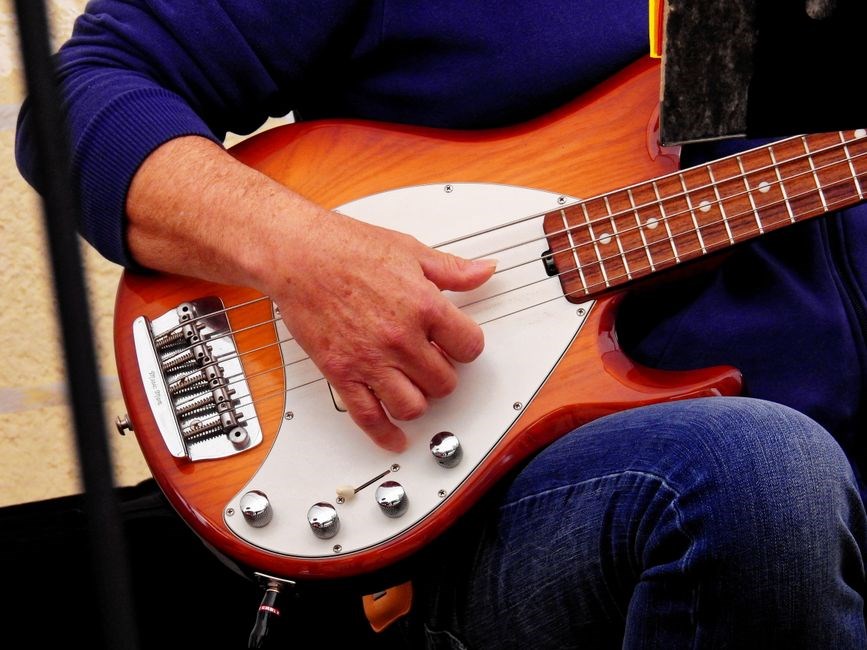
PDFs compile major, minor, pentatonic, blues, and modal diagrams, offering key signatures, fingerings, and octave variations․ They enable quick reference, printable wall charts, and integration with digital tools for efficient fretboard mastery for learning and practice․
What are Bass Guitar Scale PDFs?
Bass Guitar Scale PDFs are documents that collect visual representations of musical scales specifically arranged for the bass fretboard․ Each file typically contains clear, printable diagrams showing note positions, fingerings, and interval patterns across all strings and octaves․ The PDFs often include major and minor scale charts, pentatonic and blues patterns, as well as modal variations such as Dorian, Phrygian, and Lydian, allowing players to study multiple tonalities within a single resource․ Because the format is portable, musicians can download the files from websites, open them on computers, tablets, or smartphones, and print them on standard letter‑size paper or larger poster sheets for wall‑mount display․ The documents frequently embed key signatures at the top of each diagram, making it easy to locate the root note and understand the scale’s construction in any given key․ Some creators also add brief textual explanations or finger‑position suggestions alongside the graphics, helping beginners connect visual patterns with practical playing techniques․ In practice, these PDFs serve as quick reference tools during rehearsals, lesson planning, and personal study, enabling bassists to reinforce fretboard knowledge without flipping through bulky textbooks․
Common Formats and Layouts (PDF, PNG, Printable Charts)
Benefits of Using Scale PDFs for Fretboard Mastery
Utilizing scale PDFs accelerates fretboard mastery by providing structured, visual references that consolidate essential patterns into single documents․ Unlike scattered web pages, a well‑organized PDF presents major, minor, pentatonic, and modal diagrams side by side, enabling quick comparison of interval relationships across keys․ Printable wall charts, such as the popular 24×36 inch posters, transform practice spaces into constant learning environments where bassists absorb shapes passively․ Digital PDFs support annotation, allowing players to mark fingerings, highlight root notes, or add personal reminders directly on the diagrams․ The ability to zoom without quality loss ensures clarity for complex multi‑octave patterns spanning three or four strings․ Furthermore, PDFs often bundle tablature and standard notation, bridging the gap between visual shapes and theoretical understanding․ Portable formats like Kindle editions extend access to mobile devices, facilitating practice during travel․ By centralizing arpeggio layouts, chord tones, and scale variations, these documents reduce cognitive load, letting musicians focus on muscle memory and creative application rather than searching for fragmented information online․ They also support systematic study routines, ensuring consistent progress through organized practice schedules and measurable skill development milestones today․

Major and Minor Scale PDFs
Major and minor scale PDFs present clear, printable diagrams for each key, featuring consistent fingerings, octave ranges, and key signatures, enabling bassists to quickly visualize patterns, practice across the neck, and reinforce theoretical foundations efficiently today․
Major Scale PDFs: Key Signatures and Fingerings
Major scale PDFs serve as foundational references for bassists, typically organizing diagrams by key signature to simplify navigation across the fretboard․ A standard resource begins with C major, containing no sharps or flats, displaying the sequence C D E F G A B C across multiple octaves and string sets․ These documents illustrate movable patterns applicable to any root note, allowing players to transpose shapes instantly․ Detailed fingerings are provided for one, two, and three-octave spans, often comparing vertical box shapes with horizontal single-string approaches․ High-quality charts highlight interval structures—root, major second, major third, perfect fourth, perfect fifth, major sixth, major seventh—reinforcing theoretical understanding alongside muscle memory․ Many downloadable PDFs include color-coded root notes and suggested left-hand finger assignments (1-2-4 or 1-3-4) to optimize ergonomics․ Printable wall charts, such as the popular 24×36 inch posters, offer constant visual reinforcement in practice spaces․ Integration with interactive apps allows tempo-controlled playback, ensuring accurate intonation and rhythmic precision during daily technical routines for serious students․ These resources ultimately bridge the gap between theoretical knowledge and practical application, fostering confident improvisation and composition skills for everyone today․

Natural Minor Scale PDFs: Pattern Variations
Natural minor scale PDFs give bassists a clear visual map of the Aeolian mode, showing each key’s specific flat notes and finger placements․ Most files start with A minor, the simplest natural minor because it contains no sharps or flats, and then illustrate how the same interval pattern shifts when the root moves to B, C, D, and so on․ The diagrams present three‑octave layouts, single‑string runs, and two‑string box shapes, each labeled with scale degrees (1‑2‑b3‑4‑5‑b6‑b7)․ Color‑coded notes differentiate the tonic, minor third, and minor seventh, helping players internalize the characteristic melancholy sound․ Many PDFs also include alternate fingering suggestions—such as 1‑3‑4‑1‑3‑4‑1 patterns—to accommodate different hand sizes and technique preferences․ Printable versions often come in high‑resolution PNG or PDF formats, allowing musicians to hang a wall chart or fold a pocket‑size cheat sheet․ Some resources pair the natural minor diagrams with short practice routines, metronome markings, and suggested arpeggio exercises, reinforcing the scale’s harmonic context․ By studying these pattern variations, learners can quickly navigate any position on the neck, connect minor tonalities to related modes, and build confidence for improvisation and composition․
Harmonic & Melodic Minor PDFs: Advanced Options
Harmonic and melodic PDFs provide bassists with detailed diagrams of two distinct minor scales that differ from the natural minor․ The harmonic minor raises the seventh degree, creating a leading tone that resolves strongly to the tonic, while the melodic minor ascends with a raised sixth and seventh but reverts to the natural minor on the descent․ PDF files typically display each key’s interval pattern, fingerings for single‑string and two‑string box shapes, and octave extensions․ Many resources include color‑coded notes to highlight the altered degrees, making it easier to spot the augmented second between the sixth and seventh․ Advanced PDFs often feature arpeggio charts, chord‑scale relationships, and suggested improvisation motifs․ Some offer a side‑by‑side comparison of harmonic and melodic forms, allowing players to see how the scale changes when moving from the bass to the treble register․ Printable charts are available in PDF or PNG format, suitable for wall posters or pocket reference․ Digital versions can be imported into tab software or apps, enabling playback and practice․ By mastering these PDFs, bassists gain flexibility to navigate jazz, fusion, and classical contexts with confidence․

Pentatonic and Blues Scale PDFs
Pentatonic PDFs present five‑note patterns across the neck, offering clear fingerings and key charts․ Blues PDFs add the flat‑5, delivering classic lick diagrams, printable formats, and color‑coded layouts for rapid improvisation practice on any instrument level․
Pentatonic Scale PDFs: Five‑Note Patterns Across the Neck
PDF resources dedicated to pentatonic scales showcase five‑note patterns that span the entire bass neck․ These charts typically display major and minor pentatonic diagrams in multiple keys, with clear fingerings for each string and octave․ By presenting the patterns in a grid format, users can quickly locate the starting positions for any root note, allowing for seamless transposition across the fretboard․ Many PDFs also include visual cues such as color‑coded arrows or shaded boxes to indicate common licks and phrase structures․ Printable versions are often available in standard paper sizes, making them ideal for wall‑mounted reference or quick hand‑out during practice sessions․ Advanced PDFs may incorporate additional features such as suggested rhythmic patterns, syncopated phrasing, or brief explanations of how each shape relates to the underlying scale degrees․ Because the pentatonic family is foundational for blues, rock, and funk, having a readily accessible PDF ensures that bassists can reinforce muscle memory while exploring improvisational ideas․ Whether you prefer a minimalist layout or a richly annotated diagram, these PDFs serve as a practical tool for mastering the essential five‑note framework that underpins bass lines․
Blues Scale PDFs: Adding the Flat‑5 for Classic Licks
Blues scale PDFs enrich bass practice by illustrating the flat‑5 alteration that defines the blues sound․ These documents present the six‑note scale in multiple keys, with each diagram highlighting the flattened fifth degree through shading or labeling․ By aligning the flat‑5 with the root position, players can immediately see how tension resolves back to the tonic, facilitating blues licks․ Many PDFs incorporate rhythmic notation or suggested phrasing, allowing bassists to experiment with swing, shuffle, or straight‑ahead grooves․ The visual layout often includes a fretboard grid that spans all strings, enabling transposition of the pattern across the neck․ Some resources add tab excerpts of blues riffs, demonstrating practical usage of the flat‑5 in real contexts․ Printable versions are available in standard sizes, making them suitable for wall charts or reference during rehearsals․ By integrating these PDFs into warm‑ups, players reinforce muscle memory for the flat‑5 interval, while developing a deeper understanding of its role in blues harmony․ Ultimately, the combination of clear diagrams, key signatures, and illustrative licks makes blues scale PDFs an indispensable tool for bassists seeking to master the quintessential blues vocabulary․
Integration of Pentatonic & Blues PDFs into Improvisation
Combining pentatonic and blues scale PDFs accelerates improvisational fluency by providing visual roadmaps for note selection․ These resources display overlapping patterns, allowing bassists to shift between major pentatonic brightness and blues scale grit seamlessly․ Effective PDFs map five positions across the fretboard, highlighting shared tones and the crucial flat‑5 passing note․ Practicing with these charts develops muscle memory for transitioning between patterns during chord changes․ Many documents include backing track suggestions or chord progression examples, contextualizing scale application․ Players can isolate specific measures, looping difficult transitions using the PDF as a reference guide․ Advanced PDFs layer arpeggio shapes over scale diagrams, revealing chord tone targets within the pentatonic framework․ Printing these charts enables quick glances during jam sessions, reinforcing real‑time decision making․ Digital versions often feature interactive fretboards, letting users hear intervals before playing․ Consistent study of integrated diagrams builds a vocabulary where pentatonic lines resolve logically into blues phrases․ This structured approach transforms static scale knowledge into dynamic musical expression, essential for functional bass lines and solos․ Mastering this synthesis ultimately elevates overall musicianship and confidence during live performance situations everywhere today․
Modal Scale PDFs and Their Applications
Modal scale PDFs illustrate Dorian, Phrygian, Lydian, Mixolydian, Aeolian, Locrian, and whole‑tone patterns, offering fingerings, key signatures, and visual cues․ Musicians use them to craft genre‑specific lines, expand harmonic vocabulary, and experiment confidently across the neck;
Dorian, Phrygian, Lydian PDFs: Mode‑Specific Diagrams
Mode‑specific PDF charts for Dorian, Phrygian, and Lydian provide bassists with clear visual maps that translate theoretical concepts into fingerboard reality․ Each PDF displays the seven‑note pattern across four strings, highlighting root positions, half‑step intervals, and characteristic scale degrees․ The Dorian diagram begins on the second degree of the major scale, emphasizing the natural sixth and minor third, which creates a jazzy minor‑modal flavor․ The PDF includes multiple box positions, allowing players to shift seamlessly from the low E string to the high G string while preserving interval relationships․ Phrygian PDFs focus on the flattened second degree, presenting a dark, Spanish‑tinged sound; the charts mark the half‑step between the root and second, and they often feature a highlighted b2 note for quick reference․ Lydian PDFs showcase the raised fourth, delivering a bright, dreamy quality; the diagrams illustrate the augmented fourth within each position and provide alternate fingerings for smooth transitions into the major scale․ All three PDFs are printable in A4 or letter size, compatible with annotation tools, and frequently bundled with arpeggio charts, making them ideal resources for practice, composition, and improvisation․
Mixolydian & Aeolian PDFs: Groove‑Focused Resources
Mixolydian and Aeolian PDF resources give bass players ready‑to‑use visual tools for creating deep grooves and melodic movement across the neck․ Each PDF presents the seven‑note mode in clear, printable diagrams that highlight root locations, characteristic intervals, and suggested fingerings for four‑string patterns․ The Mixolydian charts emphasize the dominant seventh (b7) and natural fourth, offering box shapes that line up with common funk and rock rhythm sections․ Designers often include suggested rhythmic motifs, such as syncopated eighth‑note patterns, to illustrate how the mode can lock with drums․ Aeolian PDFs focus on the natural minor sound, showcasing the lowered sixth and seventh degrees that produce a darker, soulful vibe․ These documents frequently pair the scale diagrams with simple groove exercises, encouraging players to practice walking lines, octave jumps, and chord‑tone targeting․ Both PDFs are available in high‑resolution PDF and PNG formats, printable on A4 or letter paper, and compatible with annotation apps for personal note‑taking․ Many sites also bundle the PDFs with backing‑track audio files, allowing immediate application of the groove‑focused material in practice sessions or live performance rehearsals․ Integrate these patterns into every jam․
Locrian & Whole‑Tone PDFs: Niche Applications for Fusion
Locrian and Whole‑Tone PDF collections cater to advanced bassists seeking exotic harmonic landscapes․ The Locrian charts spotlight the diminished‑second interval, the tritone, and the minor‑second, offering clear fretboard diagrams that emphasize the mode’s unstable root; Each PDF includes suggested arpeggio shapes, rhythmic motifs, and octave placements to help players navigate the mode’s tension‑release dynamics in fusion contexts․ Whole‑Tone PDFs present a symmetrical six‑note scale, eliminating half‑steps and creating a floating, ambiguous tonality․ These diagrams illustrate the scale’s unique intervallic structure, with box patterns that overlap across the neck, and provide guidance on constructing melodic lines that resolve to dominant or minor chords․ Both resources are often supplemented with audio examples, backing tracks, and improvisation prompts, allowing bassists to experiment with modal interchange, chromatic passing tones, and polyrhythmic phrasing․ High‑resolution PDFs are printable on standard paper or laminated for wall charts, and many sites offer interactive versions that sync with digital audio workstations․ By integrating Locrian and Whole‑Tone PDFs into practice routines, players can expand their sonic palette, develop advanced phrasing techniques, and contribute fresh harmonic ideas to progressive or experimental ensembles and improvisations․
Practical Tools: Download, Print, and Use PDFs Effectively
Discover reliable sources for free and paid downloads, optimize printing with high quality paper sizing for large wall charts, and integrate PDFs into interactive apps or tab software for enhanced practice efficiency and fretboard visualization today․
Where to Download Free and Paid Bass Scale PDFs

Numerous platforms offer both free and premium bass scale PDFs, catering to beginners and advanced players alike․ Free resources frequently appear on community forums, educational blogs, and open‑source repositories such as GitHub, where musicians share diagram collections under Creative Commons licenses․ For a polished, professionally designed set, the Berklee Online Store provides downloadable PDFs featuring comprehensive major, minor, pentatonic, blues, and modal charts, often bundled with accompanying lesson videos․ The BestMusicStuff website hosts a selection of wall‑chart PDFs, including the popular Essential Bass Theory Chart, available for purchase with instant download․ SheetMusicPlus and MusicNotes also sell key‑specific scale sheets in PDF format, allowing users to choose exact key signatures and fingerings․ Additionally, the BassGuitarLessons․com archive offers a mix of free PDF downloads and paid premium bundles that include detailed tablature and practice exercises․ For those seeking niche or advanced modal charts, sites such as MusicTheory․net and 8notes․com provide downloadable PDFs that cover less common modes like Locrian and Whole‑Tone․ Finally, many educational institutions, including the University of Southern California’s Music Library, offer free PDF downloads of their curriculum materials to students and faculty․
Printing Tips: Size, Paper Quality, and Wall‑Chart Options
Choosing the right dimensions is the first step when printing bass scale PDFs․ Most free charts are formatted for standard letter (8․5 × 11 in) or A4 paper, which works well for desk‑top reference․ For wall‑mounted practice, many musicians prefer poster‑size files that print at 24 × 36 in, matching the popular Essential Bass Theory Chart․ Select a paper weight of at least 120 gsm for durability; heavier cardstock (200–250 gsm) resists tearing and holds ink without feathering․ Matte finishes reduce glare under stage lighting, while glossy stock enhances color contrast for intricate fretboard diagrams․
When using a home inkjet, set the printer to “high quality” or “photo” mode and enable borderless printing if the PDF includes bleed․ For larger posters, a professional print shop or wide‑format plotter guarantees accurate scaling and sharp lines․ Consider laminating the finished sheet or mounting it on a foam core board; both protect against humidity and allow easy erasing of practice notes․ Finally, use a ruler or laser level to align the chart on the practice wall, ensuring straight placement and optimal visual reference during rehearsals․
Refresh the chart annually to maintain clarity and prevent ink wear completely․
Using PDFs with Interactive Apps and Tab Software
Modern bass players often combine PDF scale charts with software to accelerate learning․ Most PDFs can be imported directly into popular tab editors such as Guitar Pro, TuxGuitar, or Songsterr, where diagrams become overlays․
By assigning each PDF page to a track, the program displays the corresponding scale while the tab scrolls, letting musicians see finger positions in time․ Interactive apps like Yousician, Fretboard Hero, and iReal Pro also accept PDF imports; users drag the file into the library and toggle a “show scale” option during practice․
This feature synchronizes the visual chart with a metronome or backing track, reinforcing timing and note choice․ For iPad or Android tablets, PDF viewers with annotation tools let players draw fingerings, highlight target notes, or add reminders without altering the original file․
Services such as Google Drive or Dropbox keep PDFs accessible across devices, ensuring a practice room, stage, or rehearsal space always has the latest version; When paired with a bass and a looping pedal, the PDF serves as a reference while the musician records improvisations, then reviews the performance within the software for improvement․